
A Woman at the Mirror by W.T. Warrener
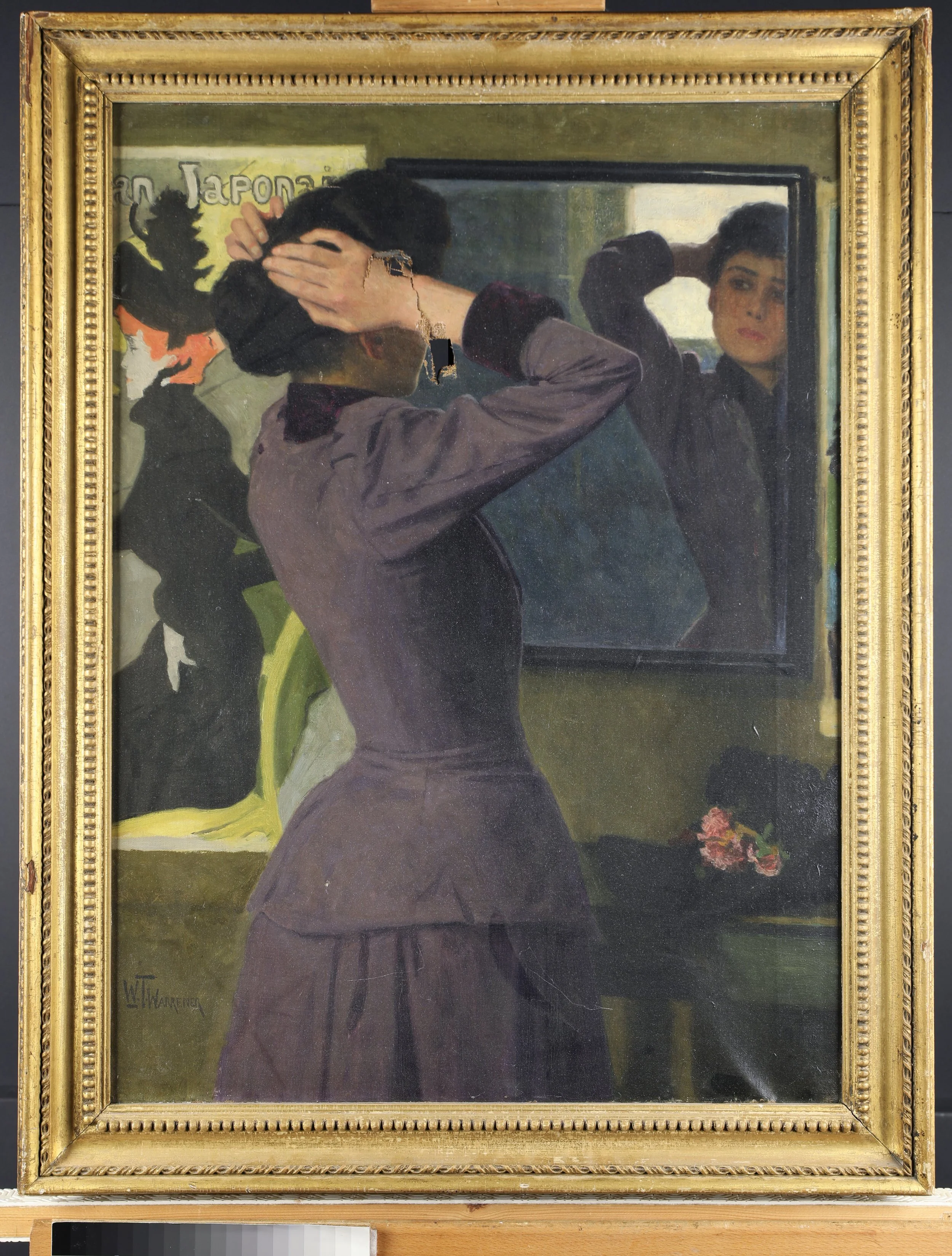
Before treatment
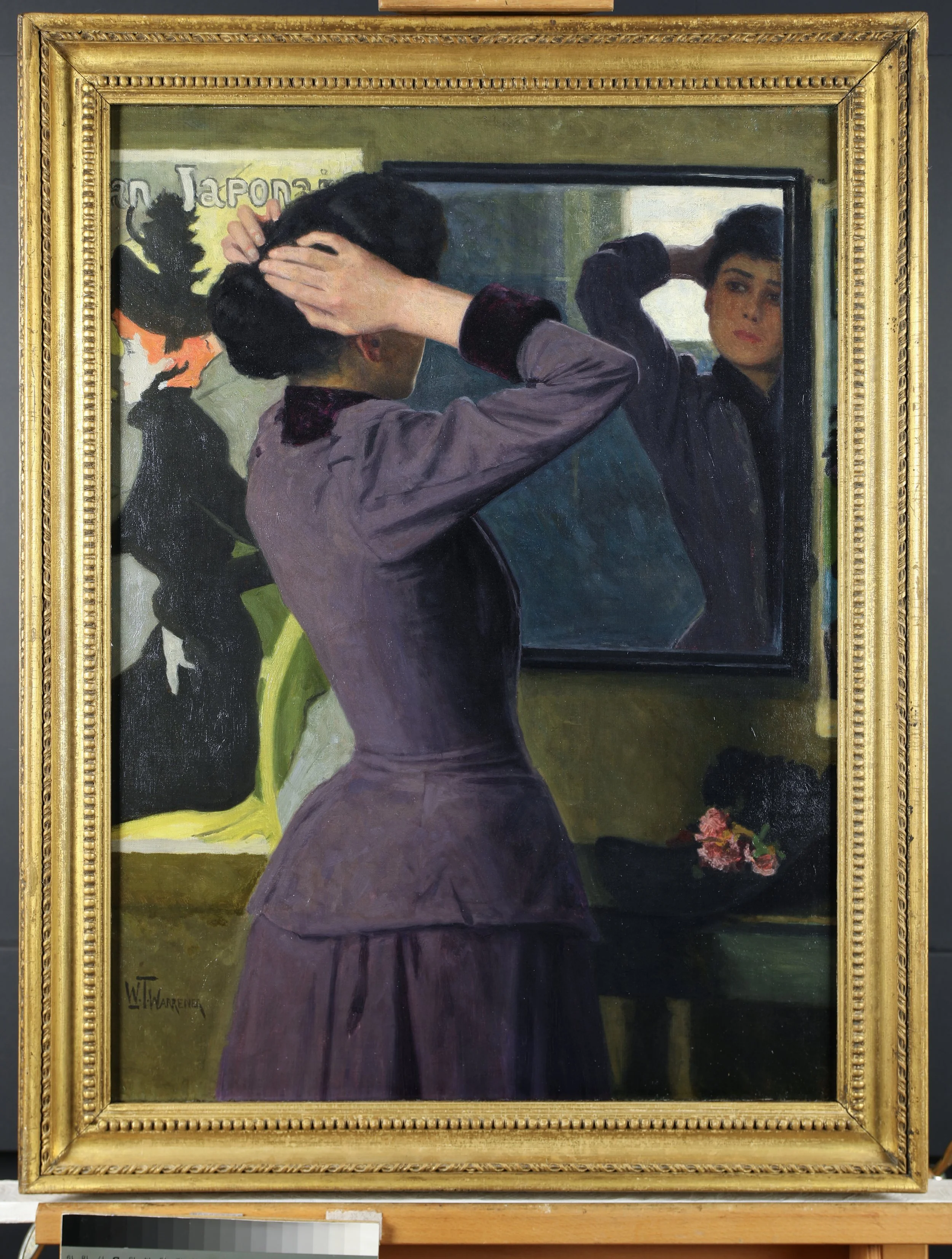
After treatment
The painting arrived at the studio having suffered a tear. The client was also interested in having it cleaned as it had been stored away for some time. We were immediately fascinated by the composition and intrigued to find out more about the painter, who had signed the work ‘WT Warrener’.
William Tom Warrener (1861 – 1934) was an English painter of portraits, landscapes and figurative subjects. He is best known for being the subject of his friend Henri de Toulouse-Lautrec's painting “L'Anglais au Moulin Rouge” (The Englishman at the Moulin Rouge) (1892). In this composition, Warrener has given a little wink to his friend Toulouse-Lautrec, by including a glimpse of the latter’s poster advertising the café-concert “Divan Japonais”. The woman gazing in her mirror who is the subject of the painting may be Yvette Guilbert, a French cabaret singer who is also depicted (albeit with her head cropped out) in Toulouse-Lautrec’s poster.
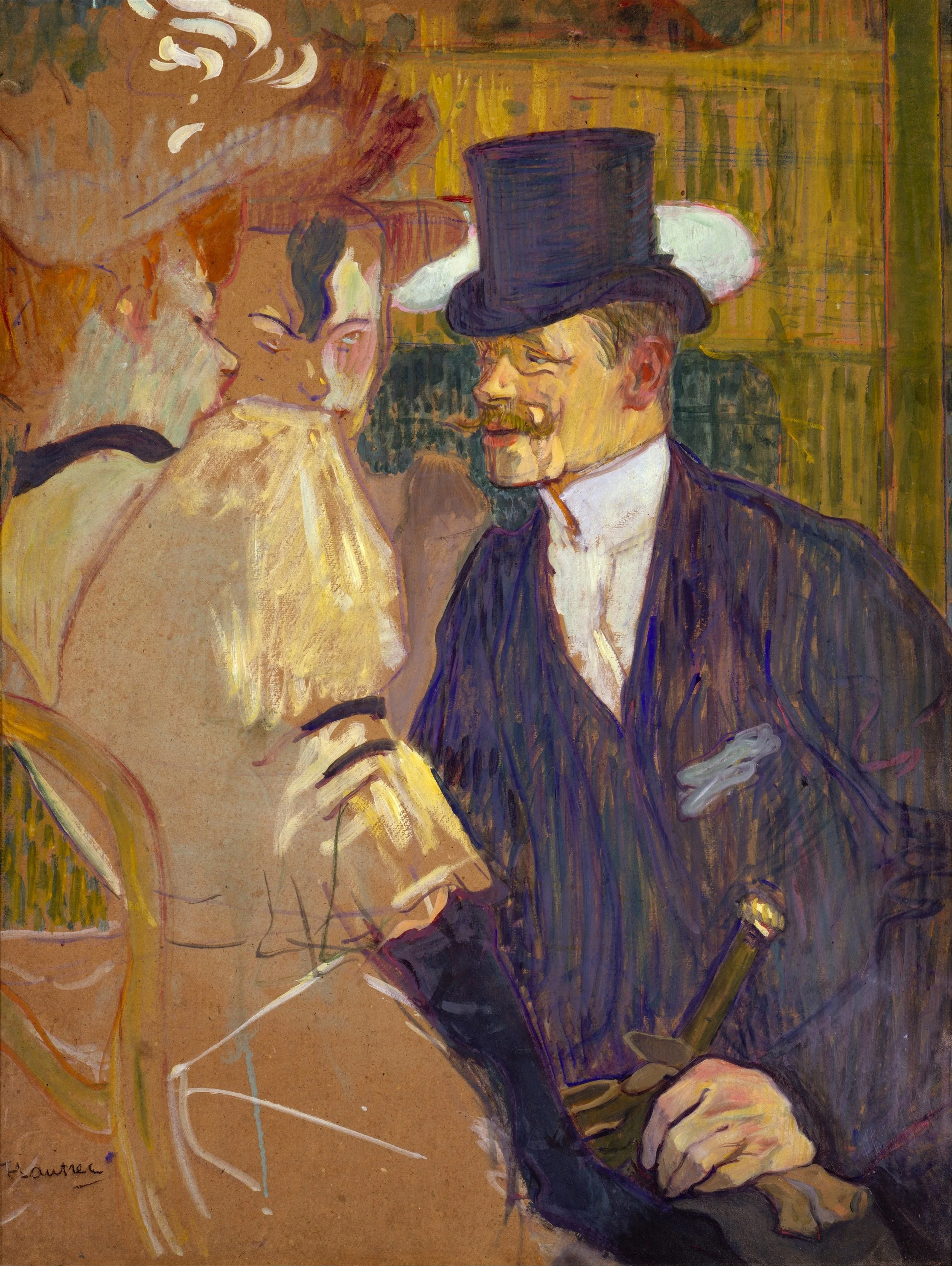
Warrener painted by Toulouse-Lautrec in L’Anglais au Moulin Rouge
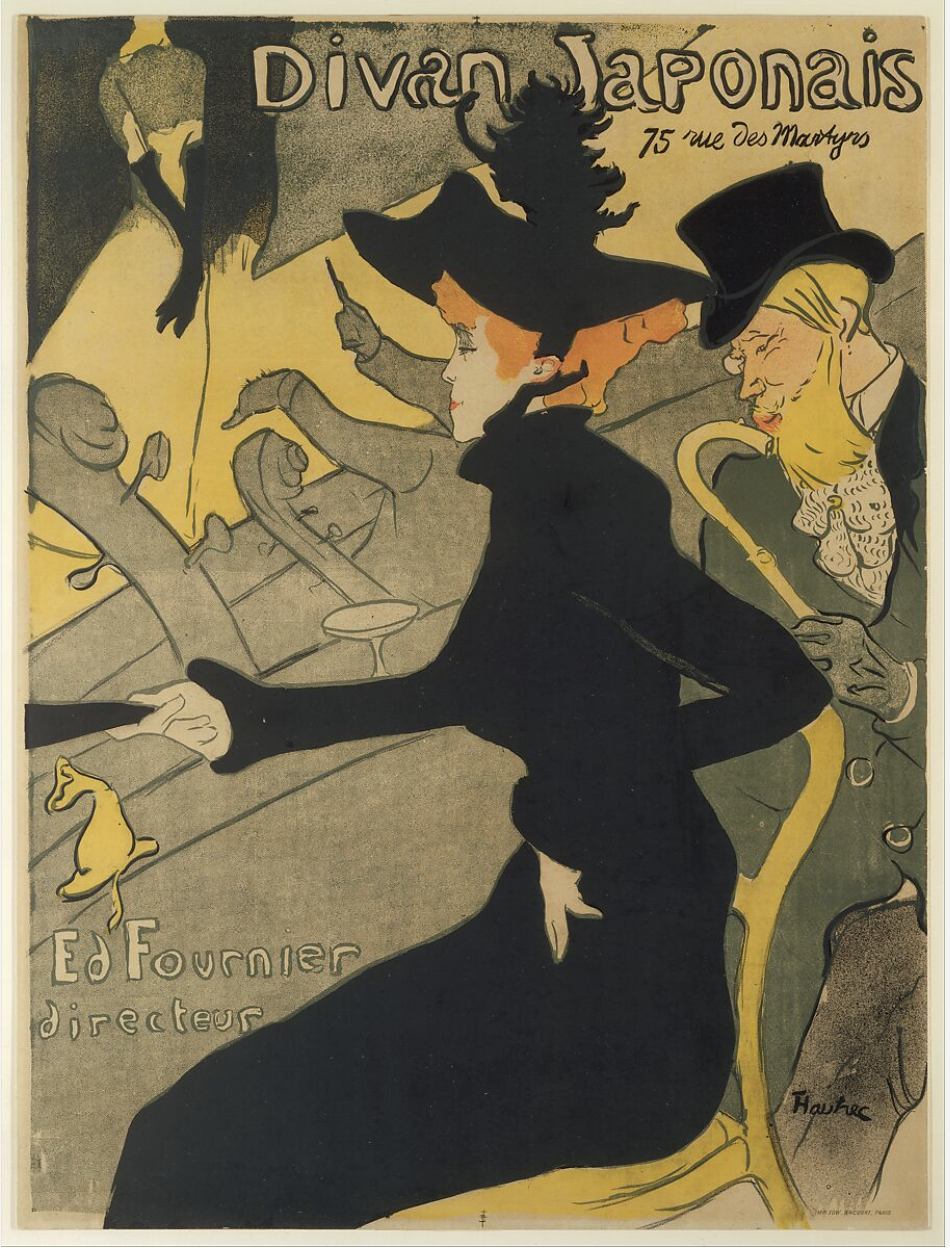
Toulouse-Lautrec’s poster “Divan Japonais”, with performer Yvette Guilbert’s distinctive figure top left
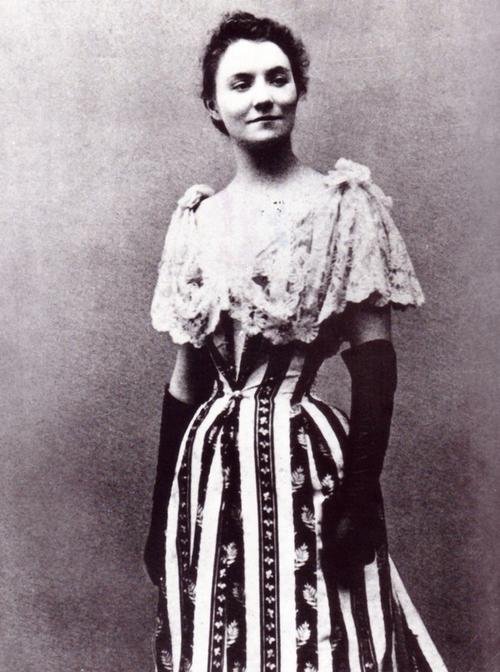
A photograph of Yvette Guibert
The artwork is oil paint on canvas, attached to a wooden stretcher whose members were mismatched, with the right bar being narrower than the rest. The canvas appeared to have been reduced in size on the two side edges and the stretcher was thought likely not to be the original. The canvas was in a poor condition: in addition to the obvious multidirectional tear going through the sitter’s hand and head, with pieces of canvas missing entirely and others hanging only by a thread, the canvas overall was slack and embrittled, and there were small tears on the tacking margins, corners and excess of the turnovers. The paint layers appeared in a stable condition in the main picture plane, however, around the edges and tears there was some paint loss. The varnish had a green fluorescence, indicating a natural resin varnish; it was uniform in appearance, but had yellowed with age. A small varnish removal test revealed a brighter-toned painting beneath the varnish. The painting and frame were very dusty on the front and reverse. Spider webs and other insects’ residues were also noted on the painting.
With the owner’s approval, our treatment involved removing surface dirt, removing the discoloured varnish, consolidating the flaking paint surrounding the tears, and then securing the pieces of canvas that were hanging by a thread, before lining the canvas with a supportive canvas on the reverse and restretching it onto its stretcher. Filling and texturing of the areas of lost paint was then carried out, followed by retouching to reintegrate these areas into the overall composition. The frame was also treated to align with the aesthetic improvements to the painting, and the painting secured back into its frame.
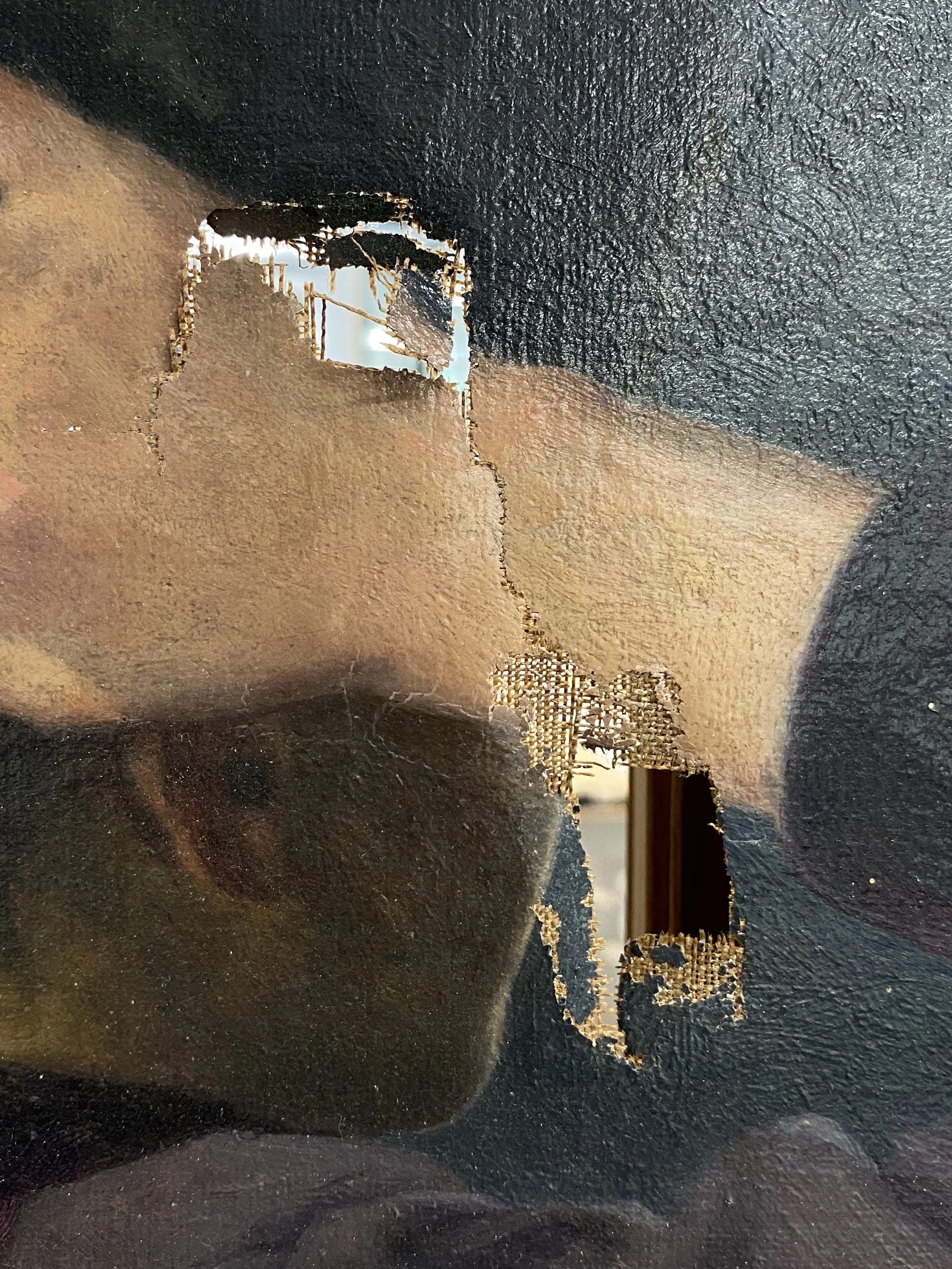
Detail of the rip before treatment
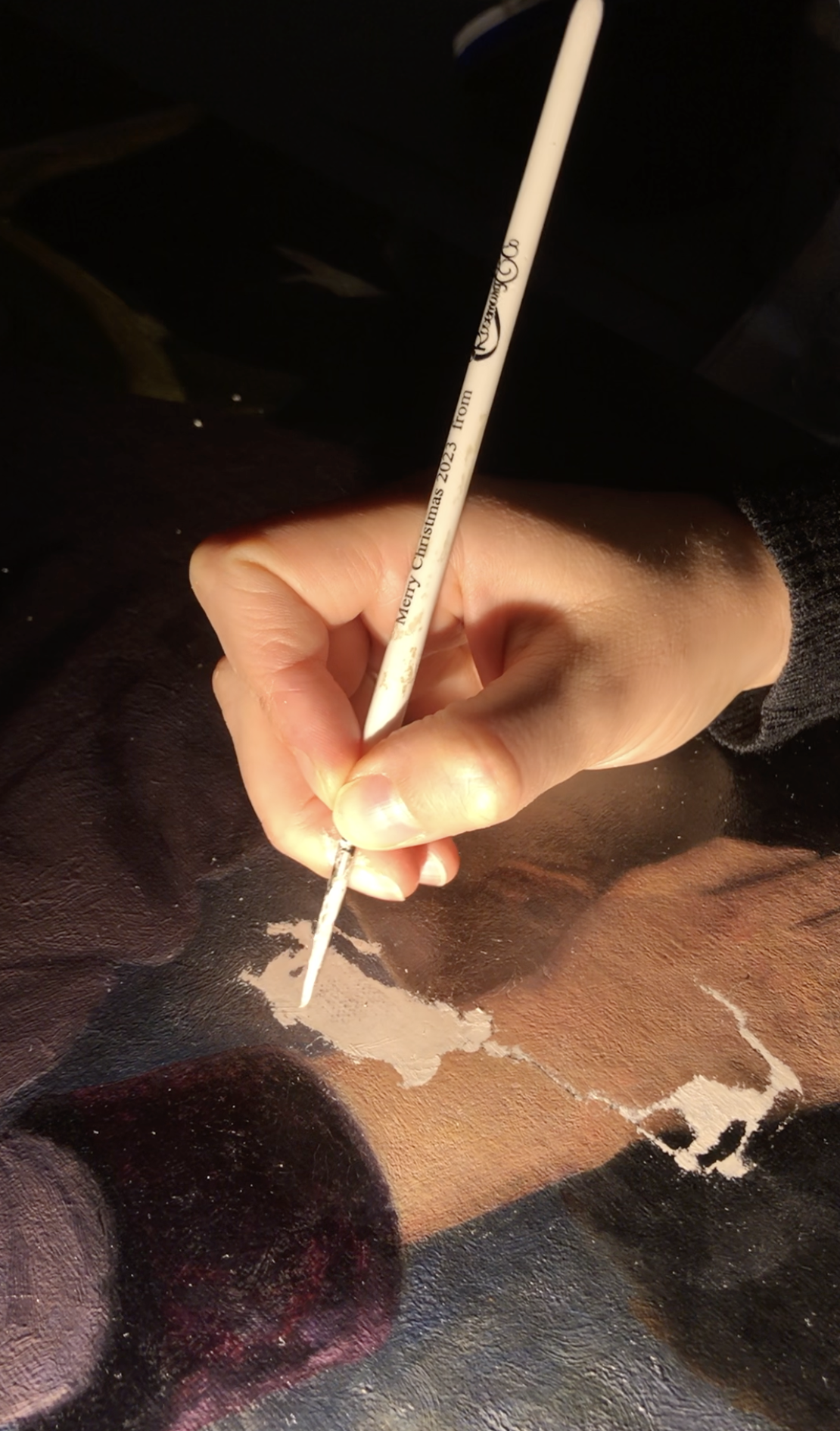
Olivia carrying out texturing of the fill she has applied to the area of loss
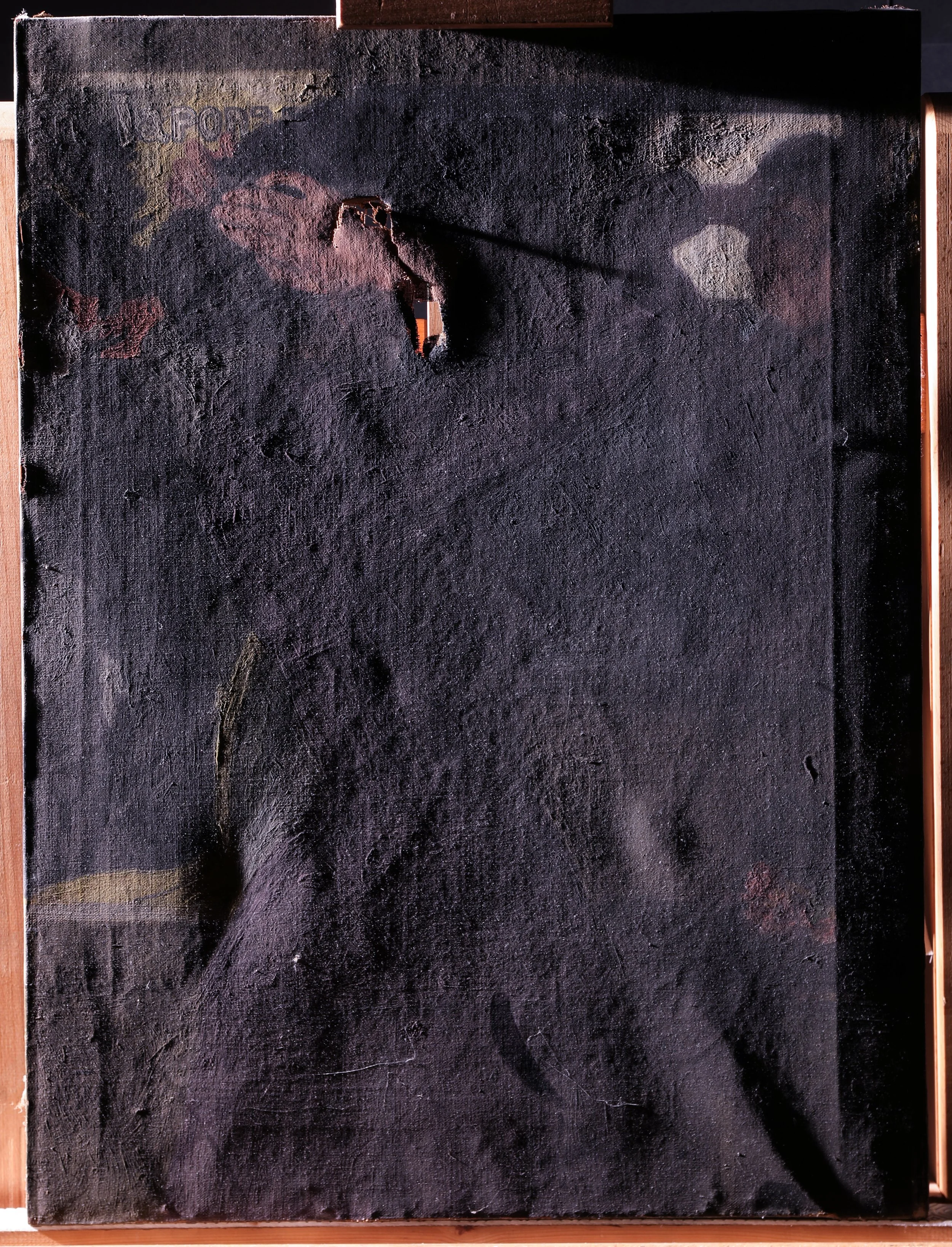
The painting seen in raking light before treatment, showing the unevenness of the surface
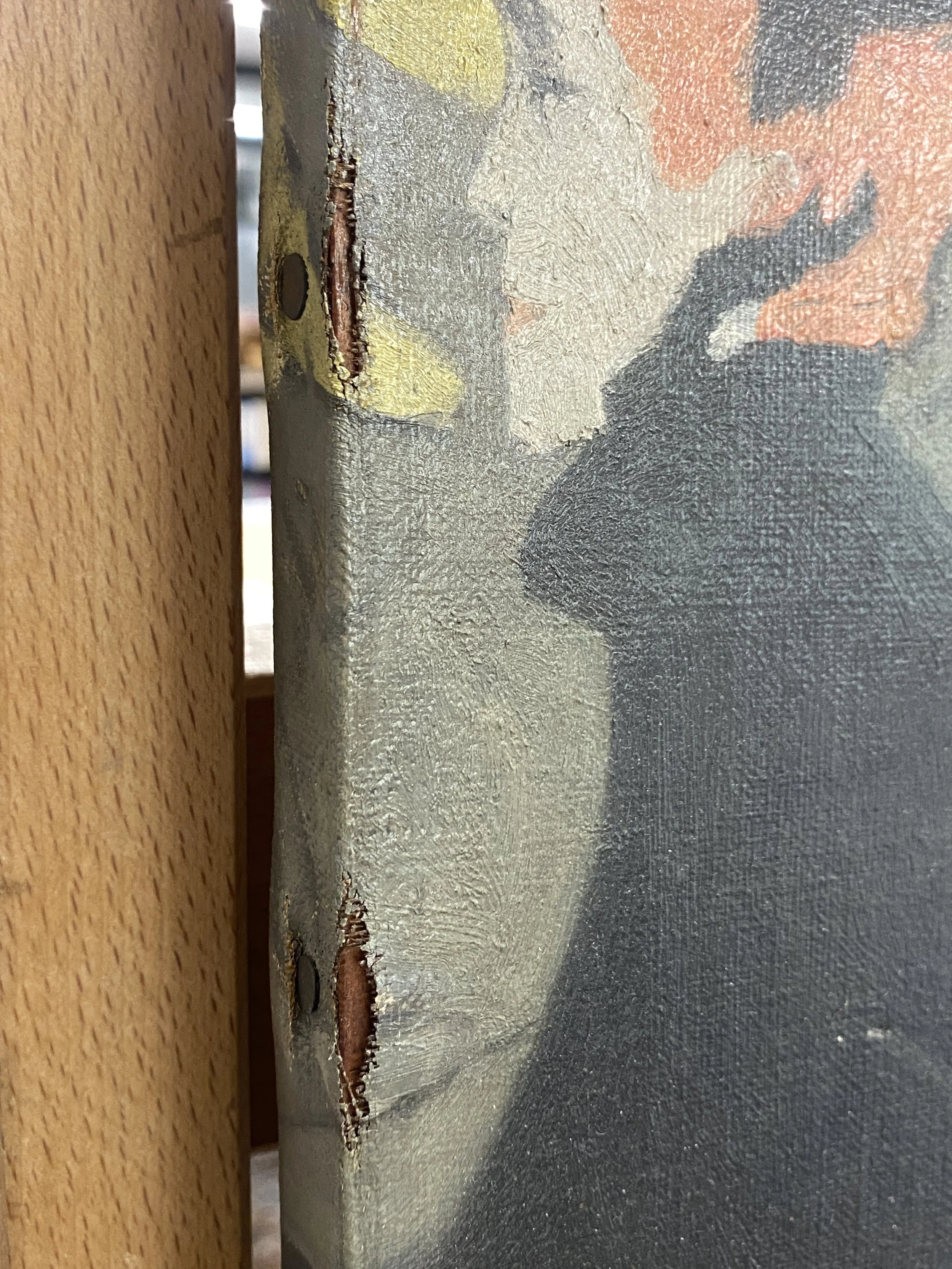
The composition continued over onto the turnover edges, which also exhibited small tears.
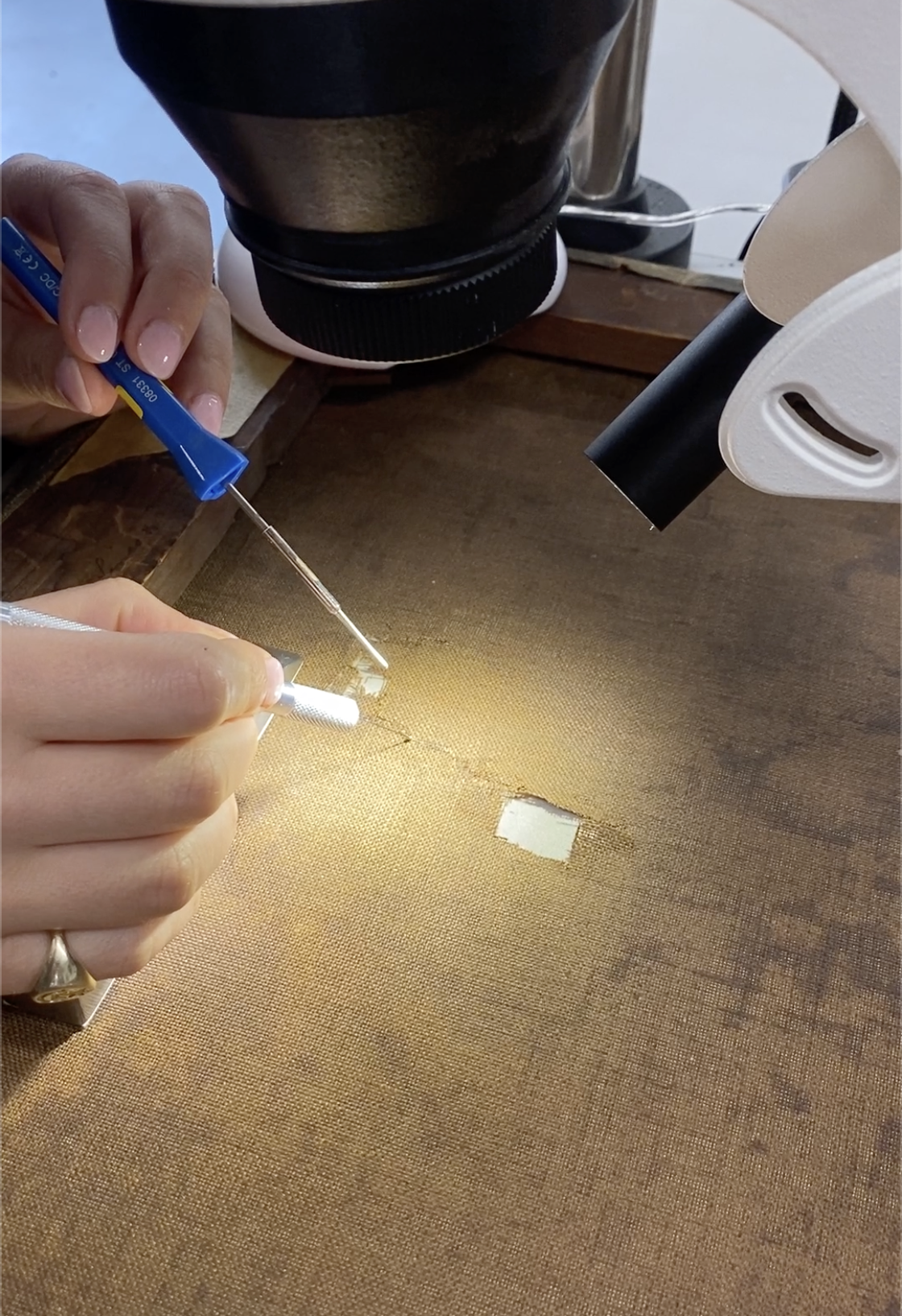
Conservator Olivia Stoddart carrying out tear repair treatment under the microscope
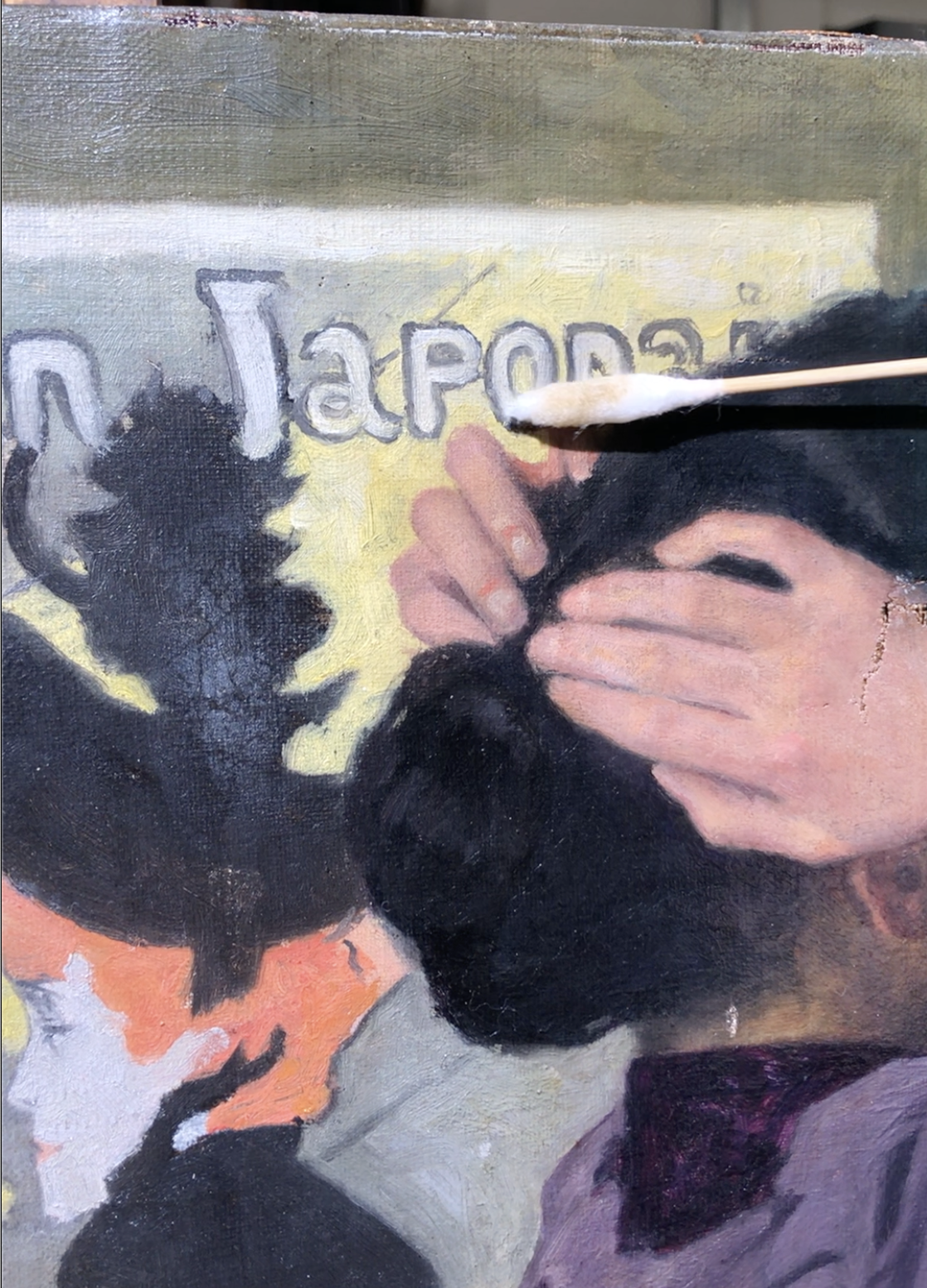
Detail of varnish removal
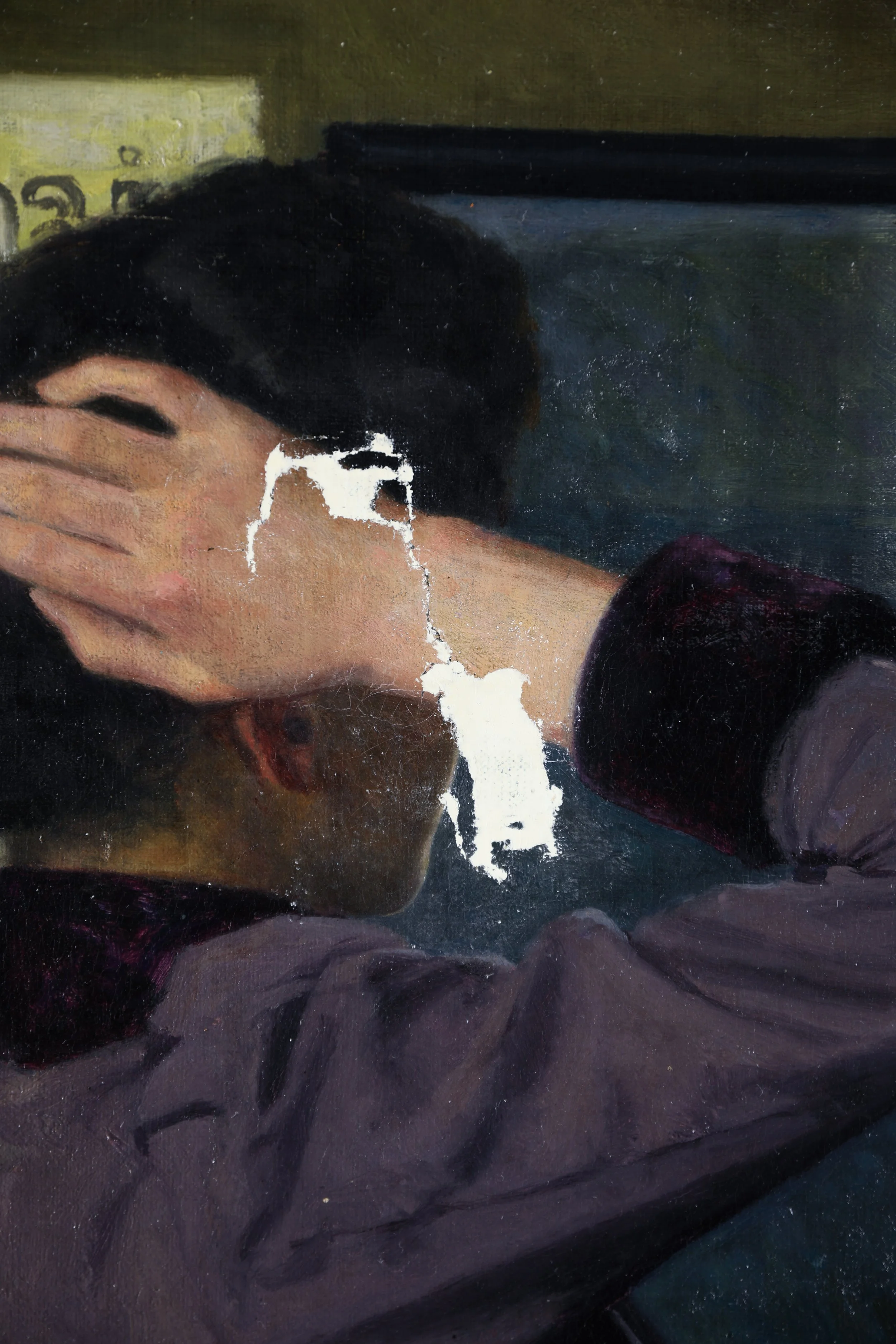
Detail of painting after filling and texturing of the areas of lost canvas
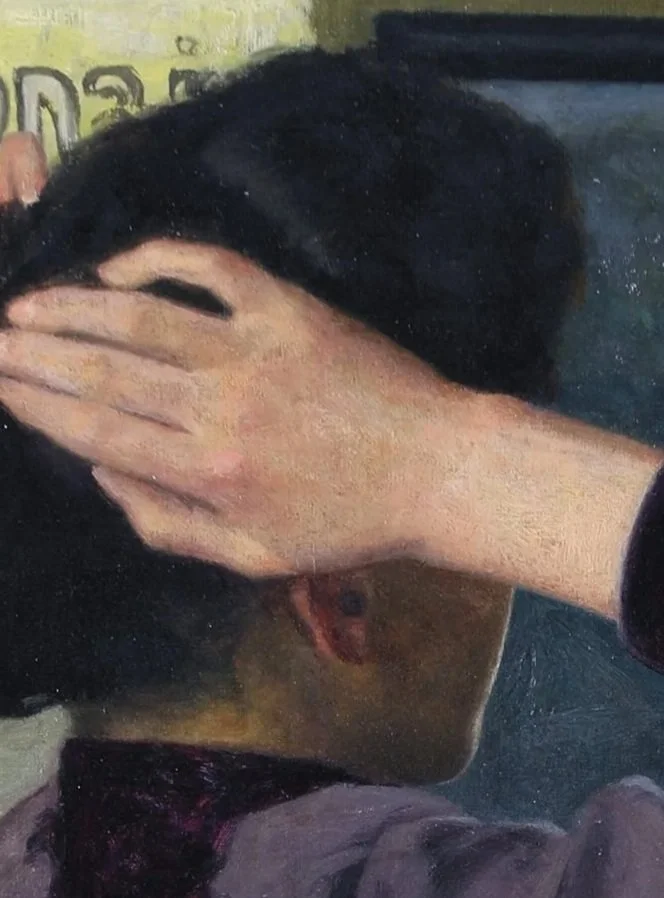
Detail of the area of loss after treatment
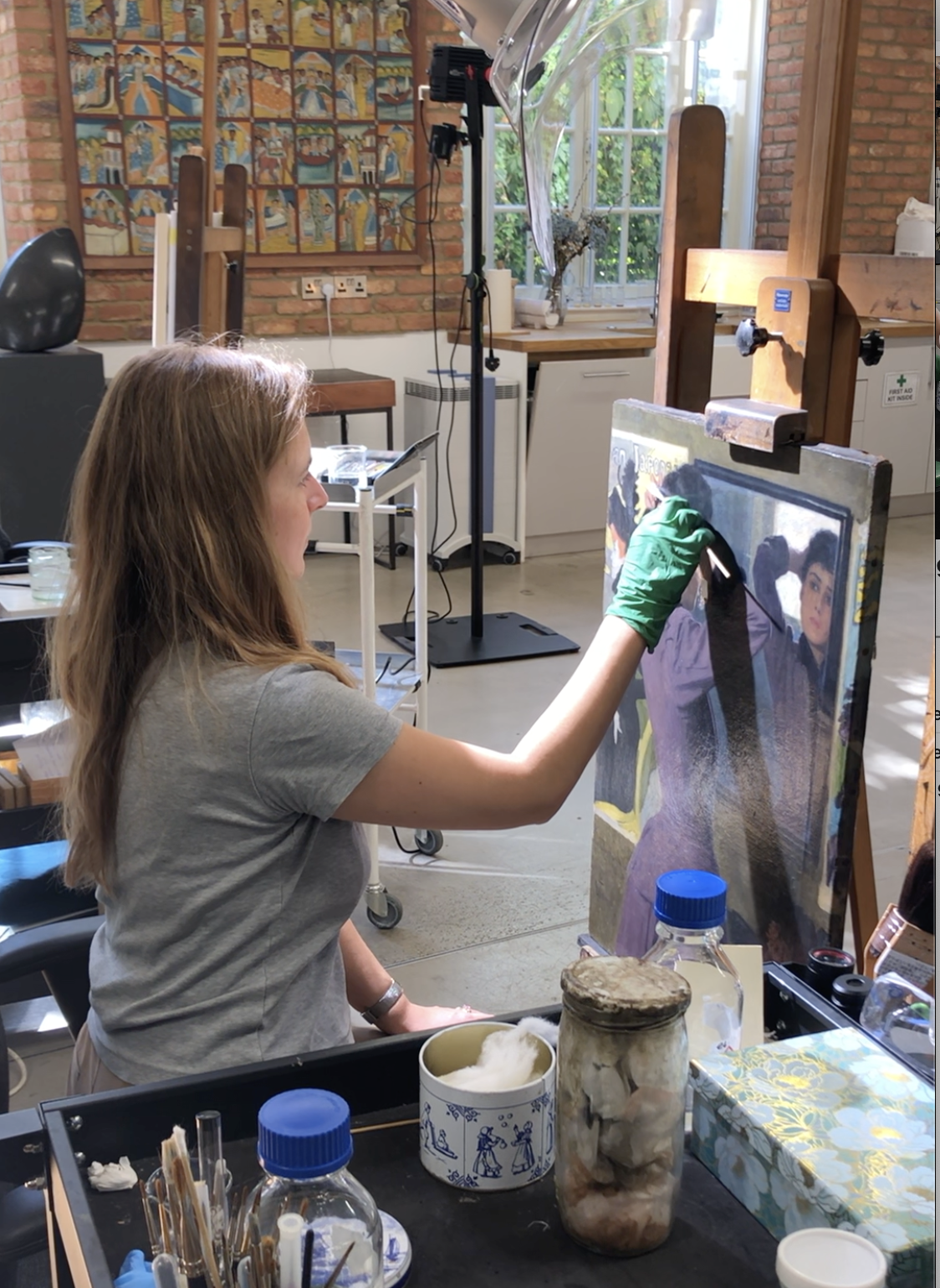
Conservator Olivia Stoddart carrying out varnish removal to the painting